
Tool for bacterial gene overexpression could enable breakthroughs in medicine, bioproducts
A team of scientists from UW-Madison, including Jason Peters, has developed a tool that researchers can use to better understand bacteria and their genes in the pursuit of better antibiotic drugs and microbes used in bioproduct manufacturing.
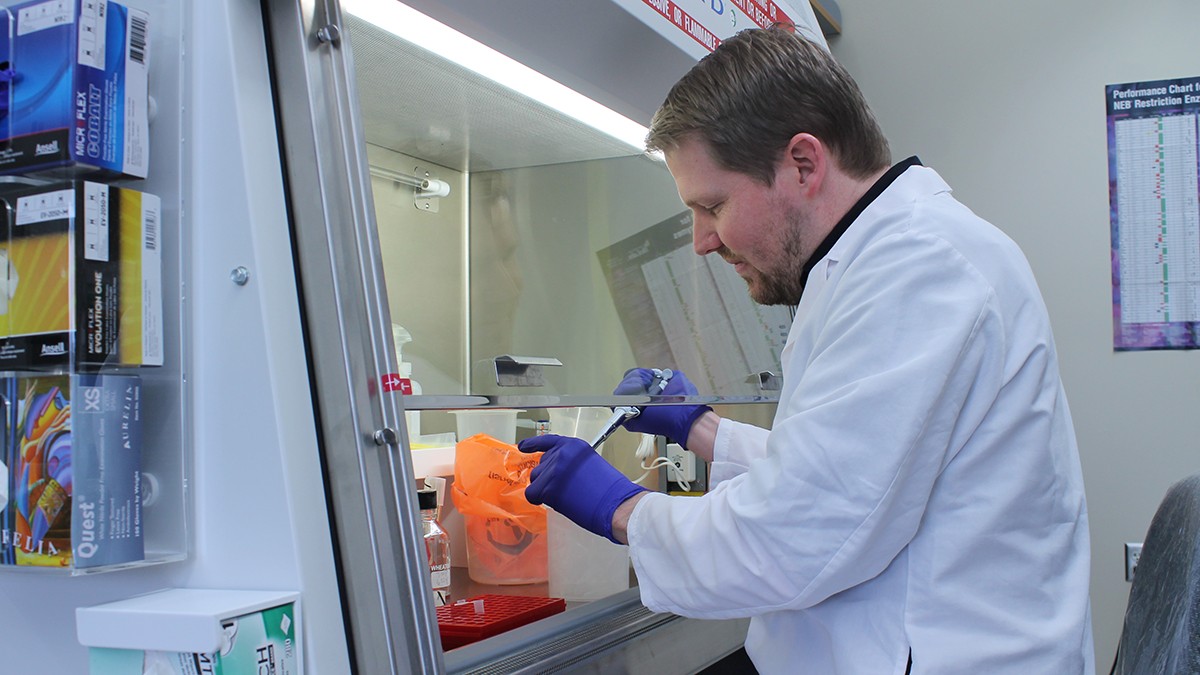
CRISPRtOE is the latest CRISPR-based tool developed by the Peters Lab. They tested the tool, called CRISPR Transposition and OverExpression (CRISPRtOE), in Escherichia coli K-12, a non-pathogenic model organism used to study fundamental biological processes, and Zymomonas mobilis, a microbe that’s good at making biofuels but less well understood. CRISPRtOE allows scientists studying bacteria to insert promoter genes that boost the activity of nearby genes, which can help pinpoint the genes that help the organism resist toxins encountered while manufacturing bioproducts or delivered in the form of antibiotic drug treatments.
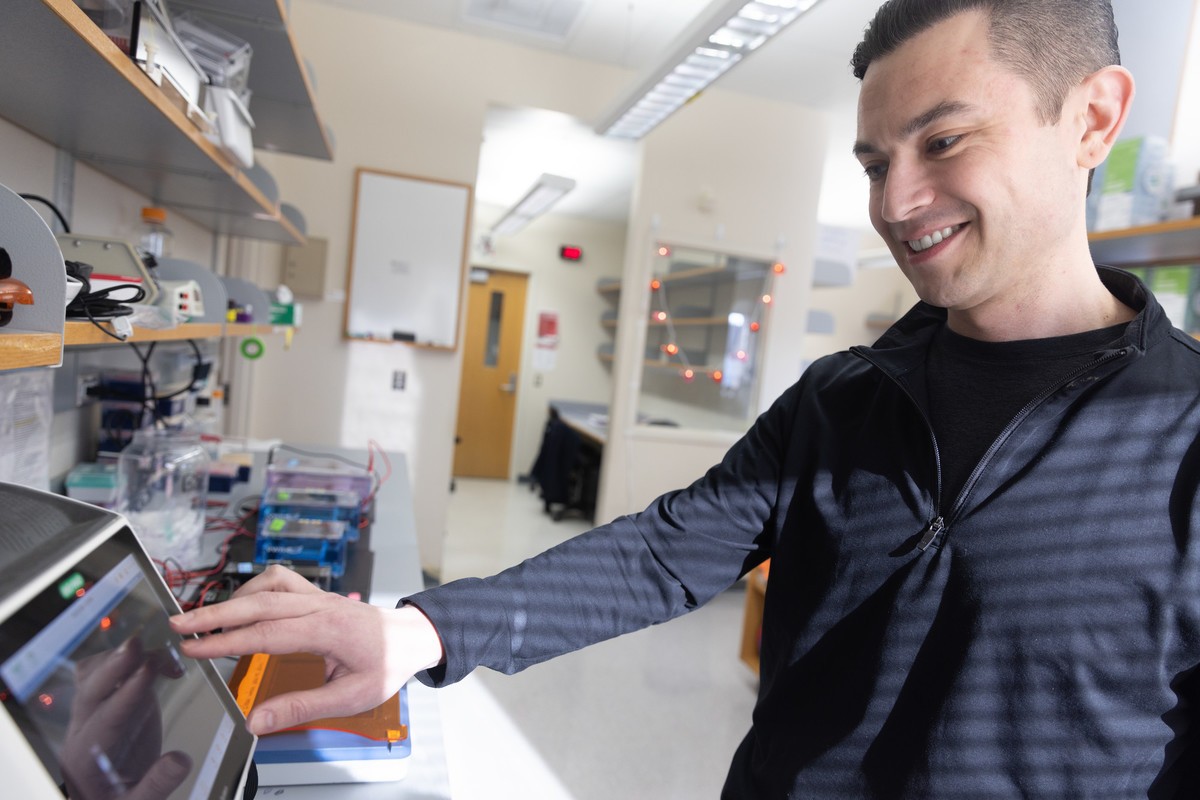
Peter anticipates CRISPRtOE can be readily applied to other microbes and screening conditions. The scalable approaches of CRISPRtOE can be adapted to diverse bacteria, a vital step in bridging the gap between genome sequencing and gene function assessment.
“That CRISPRtOE can target all genes in a bacterium means we can understand the cellular roles of ‘quiet’ genes that are normally turned off,” Peters said. “The ever-expanding world of bacterial genetics will always keep us on our toes!”
Read the full article at: https://energy.wisc.edu/news/crisprtoe-gives-scientists-leg-bacteria?fbclid=IwY2xjawU8sSlleHRuA2FlbQIxMABwZG9mBWJyaWQRMWQzUVo1SGo0ZFdOTmNScmtzcnRjBmFwcF9pZBAyMjIwMzkxNzg4MjAwODkyAAEe0sO_6D5P6glu0GZi_Yygi54vjpxJalu9lbKptgBfszhZa6y1RZoVCNFt03g_aem_7umrwGtIOC6Awp_iGSAwRw